Sumac Dialogues is a place for being vocal. Here, authors and artists come together in conversations, interviews, essays, and experimental forms of writing. It is a textual space to navigate the art practices of West Asia and its diasporas which emphasize critical thinking in art. If you have a collaboration proposal or an idea for contribution, we’d be happy to discuss it. Meanwhile, subscribe to our newsletter and be part of a connected network.
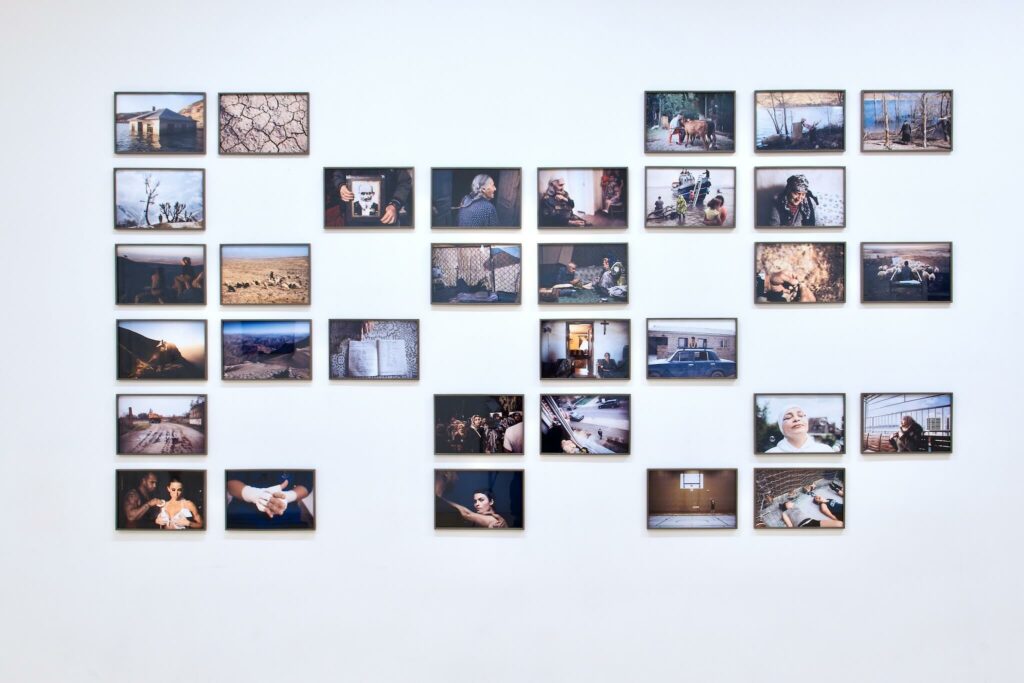
ZînKolektif is an independent collective of women and queer artists united through photography. Functioning as a space of solidarity, the collective not only brings together individual photographic practices but also fosters shared ways of thinking, aesthetic approaches, and visual languages. Central to ZînKolektif’s ethos is a feminist perspective that profoundly shapes both the themes they engage with and their photographic methods. This approach resists dominant narratives and visual hierarchies by prioritizing collaborative processes, ethical representation, and contextual sensitivity. Their work often explores subjects such as memory, space, identity, and belonging through a lens that foregrounds lived experience, relationality, and resistance. Instead of objectifying their subjects, members of the collective frequently center voices that are historically marginalized, challenge masculine-coded visual aesthetics, and embrace experimental or process-based storytelling. In doing so, they not only increase the visibility of women and queer photographers but also reimagine photography as a critical tool for feminist inquiry and collective memory.
Each member of ZînKolektif comes from a distinct academic and professional background, contributing to the collective’s layered and pluralistic identity. Serra Akcan, trained in economics and professional photography, has produced long-term visual works on gender, identity, and migration. Aylin Kızıl, a pharmacist by education, focuses on urban transformation and displacement through photography and film. Fatma Çelik, a psychological counselor, explores memory, ecology, and gender through documentary photography and video. Serpil Polat, an educator from Dersim, documents social movements, environmental issues, and women’s rights. Gülşin Ketenci, with a background in mathematical engineering, centers her practice on feminist photographic methodology. Çiğdem Üçüncü, trained in the visual and performing arts in Germany, works on personal narratives of migration and ethnic identity. Their relationship with photography centers on an intuitive yet intellectually grounded process, shaped by lived experience and sustained political sensitivity. Each member constructs their own visual language, which gains new meaning within the collective. The richness of ZînKolektif’s work lies not in uniformity but in its intentional plurality—where diverse expressive forms coexist without aesthetic confusion, allowing solidarity and shared inquiry to emerge as guiding principles.
In Acts of Conflations, ZînKolektif takes individual stories as a starting point to discuss the broader issue of collective memory and representation. Rather than constructing a direct political narrative, they present narratives in which individual experiences are intertwined with aesthetics shaped by intellectual explorations. The works do not place the viewer in a fixed viewing position; they also invite them to question, engage with their memories, and think critically about the images. This exploration of memory and belonging inevitably raises questions about the tools and strategies of visual representation. These tools shape how such experiences can be shared and understood.
Navigating the Boundaries of Representation
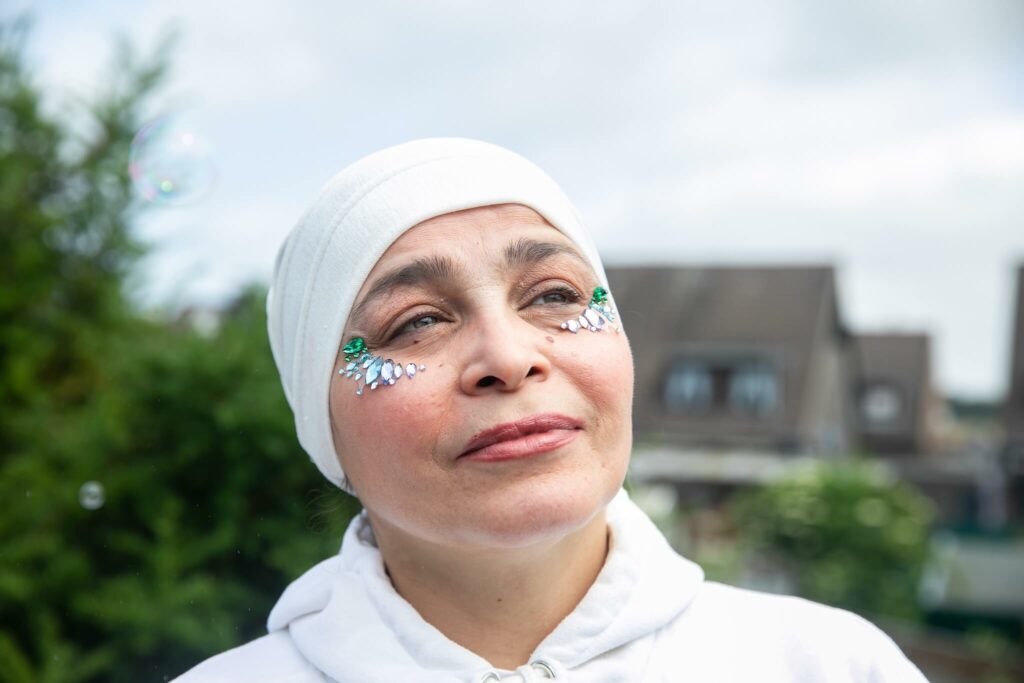
The collective members’ productions adopt an approach that questions the representational power of photography. This questioning is both an aesthetic choice and an ethical stance. Rather than documenting a particular social group, a geography, or an individual memory, most of the projects in the exhibition reflect on the visual strategies that make these representations possible. Issues such as the positioning of the subject, the angles from which the narrative is constructed, the direction of the gaze, and the way in which gaps are built form the basis of each work. In this context, the visual language does not employ photography as a mere documentary tool. On the contrary, it becomes a space for thinking, remembering, and questioning. The fictional approach seen in several works, including Displaced by Çiğdem Üçüncü, emphasizes that photography is not a device that reflects truth, but a medium that reconstructs, interprets, and transforms it. Therefore, the form of representation, its ethical framework, and the meanings it evokes come to the fore rather than the accuracy of the representation. These reflections on representation open into a more intimate terrain: the entanglement of body, space, and memory, where questions of visibility and presence become central.
Relationship between Body, Space, and Memory
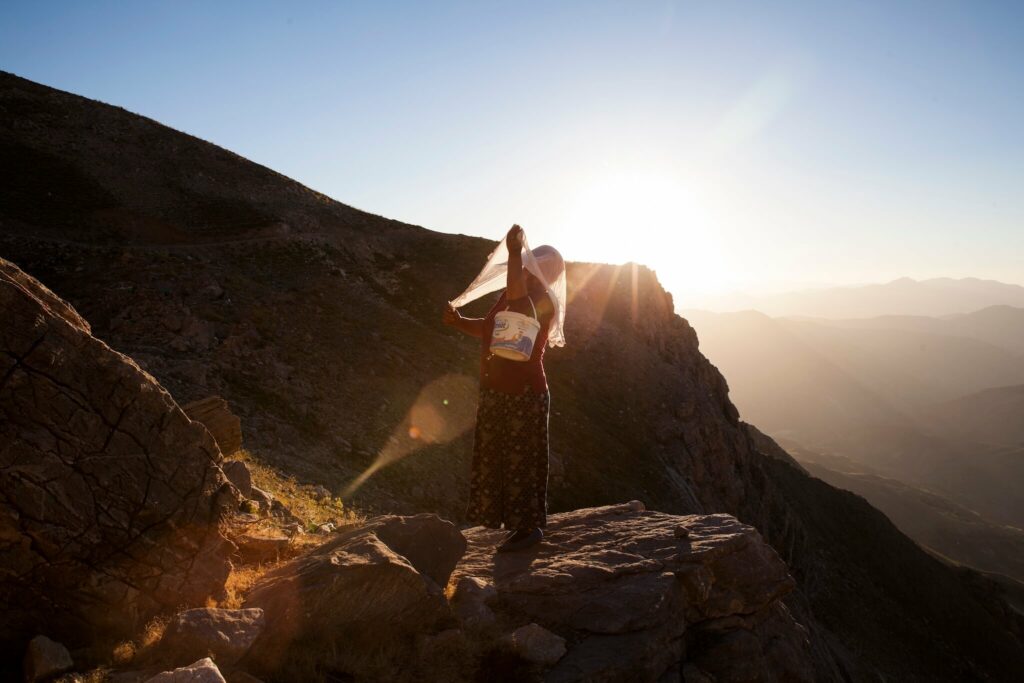
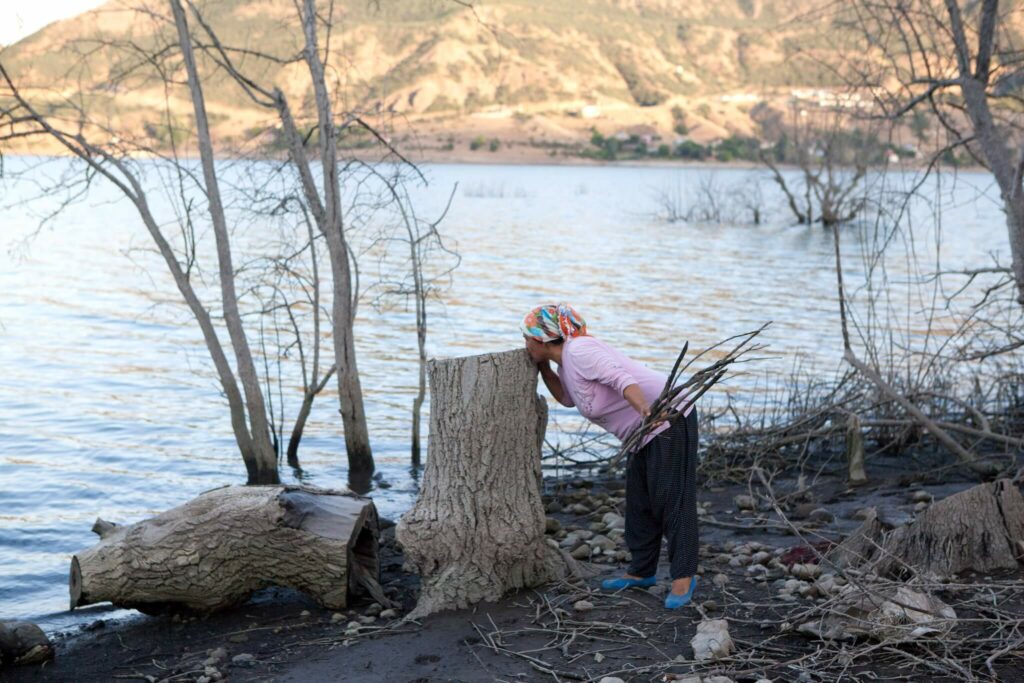
Each story in the exhibition traces the relationship between body and space. Artists such as Fatma Çelik and Serpil Polat explore how memory is embedded in space. They consider how the body integrates or conflicts with this spatial memory. In Fairy Escaped Water, Polat documents the ecological destruction and forced displacement caused by dam construction in Dersim, framing the landscape as both witness and archive. Similarly, Serra Akcan’s photographic work on urban space and daily life examines how women’s bodily presence interacts with transforming environments. In several works, the artists use their own bodies as narrative objects—insisting on visibility and challenging the limits of representation. The position of the body before the camera, the orientation of the frame, and its interaction with light and space all become conceptual anchors that interrogate what photography reveals and what it conceals.
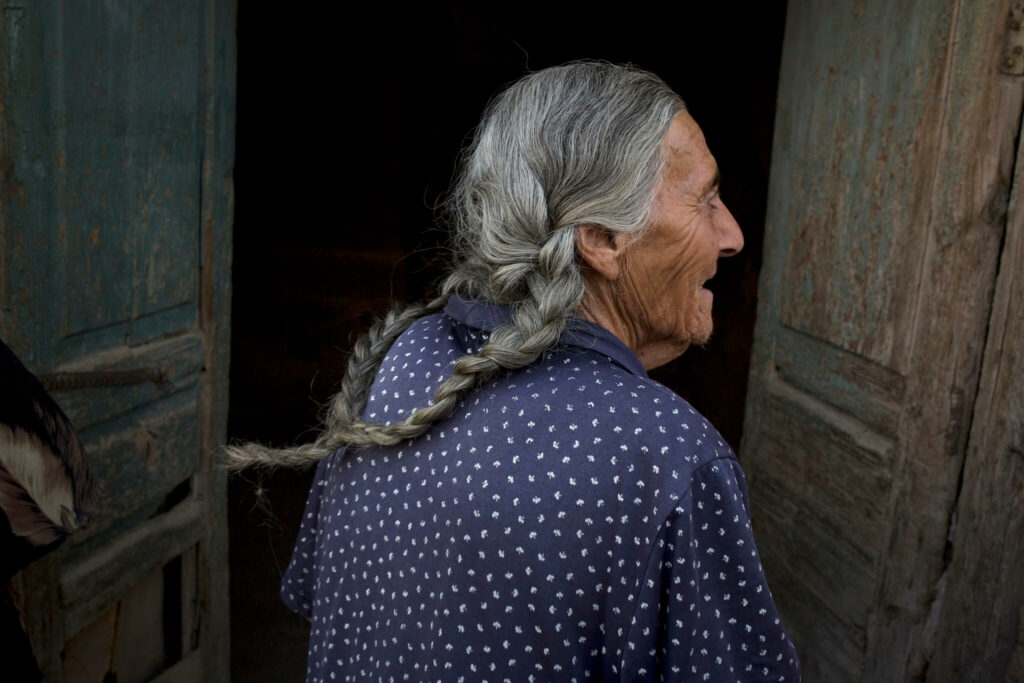
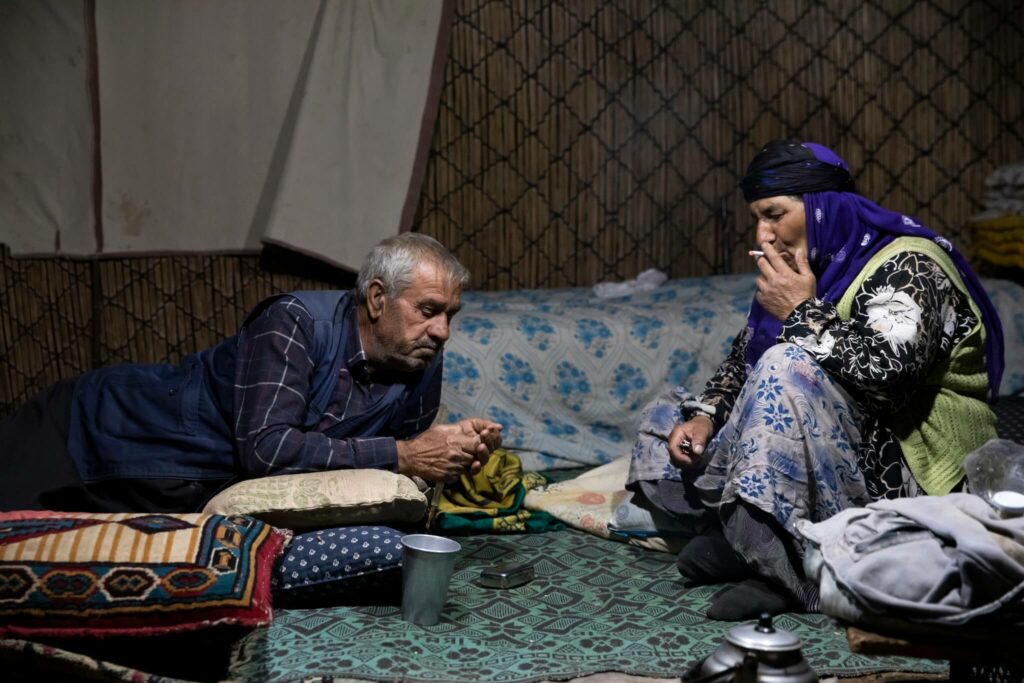
Aylin Kızıl, who often works at the intersection of film and photography, brings bodily presence into relation with shifting urban and social landscapes. Her lens captures fragmented spatialities where physical absence evokes emotional density—suggesting that memory persists in and through disrupted spaces. Gülşin Ketenci, on the other hand, employs a self-reflexive feminist photographic methodology that places women’s labor and visibility at the core of spatial inquiry. Her work treats the female body not as an object to be seen but as a knowing, active presence that reclaims public and domestic spaces alike.
Along with the body, space is also key in ZînKolektif’s works. These spaces are not fixed or singular in meaning. In some projects, mountains, stones, water, or emptiness appear. They are not only geographical representations but also convey emotions, memories, or a sense of belonging. Here, space acts as an active narrative component, not just a backdrop.
These visuals focus on images that work through direct association, such as childhood homes, abandoned spaces, lost objects, or water. These images carry personal experiences and are also part of collective memory. By situating the body within shifting spaces of memory, the works gesture toward photography itself as a process of thinking—an open-ended practice that operates beyond documentation.
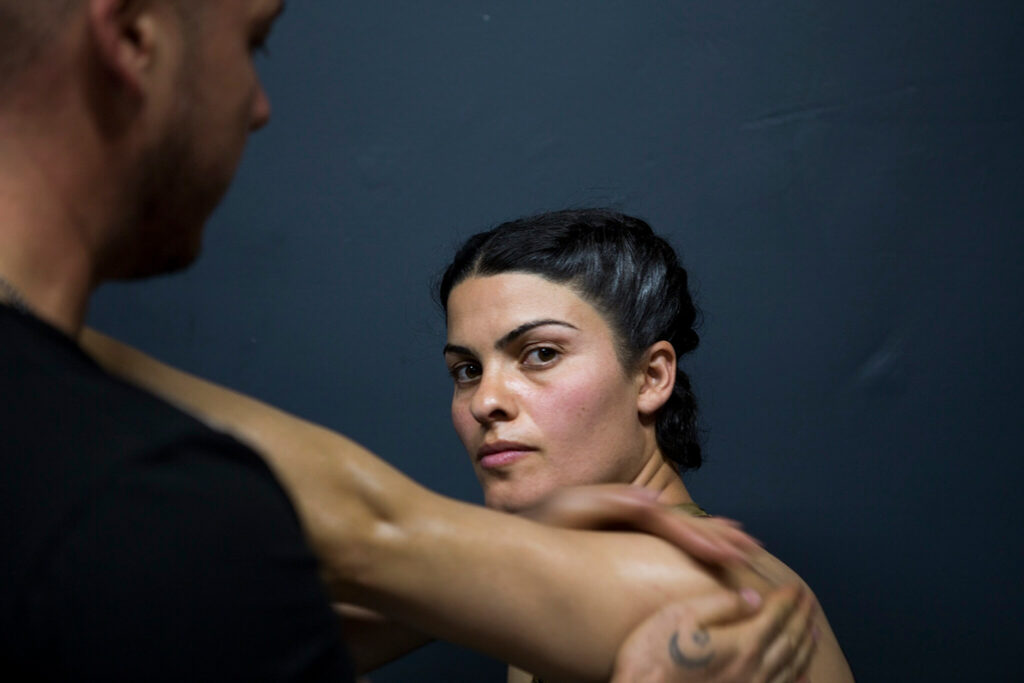
Photography as a Form of Visual Thinking
For the members of ZînKolektif, form is as important as content in their production processes. The methods used by each in their own practice range from analog printing to digital editing and from archival work to performative approaches. This diversity transforms the productions into a structure that enriches, nourishes, and fosters discussion among its members. Photography is used to establish a narrative, to interrupt, to create silences, and to leave gaps. These gaps turn into spaces where the viewer steps in and constructs meaning through their own experience. This approach demonstrates that they take a stance that invites the viewer to think together, rather than presenting them with a passive position.
One key feature is the emphasis on group discussions throughout the production process. Each develops a narrative and shares ideas with others to broaden perspectives. The collective is not a temporary partnership. It fosters a lasting and sustainable practice of solidarity. This shared method of visual thinking reinforces the collective’s foundation in dialogue and solidarity, showing how memory and representation can be reshaped through collaboration.
ZînKolektif’s work shows that visual memory can be shaped collectively and individually. This memory encompasses recorded events, recalled details, forgotten memories, and reconstructed stories. Each visualizes a different layer of this memory. Their projects navigate the boundaries of representation, utilize emptiness, and evoke silence. They create alternative visual spaces for women and artists. ZînKolektif shares, shapes, discusses, and transforms this space together. This selection presented in the exhibition reflects ZînKolektif’s visual and intellectual partnership. It should be seen as a shared field of art, solidarity, learning, and shared production. Each frame carries a question, a trace, and a direction.
After receiving her BA in Sociology from the Faculty of Humanities at Anadolu University, Serenay Anık Gök earned her MA in Art and Design at Eskişehir Osmangazi University with a thesis titled The Relationship Between Photography and Memory: The Reproduction of Visual Representations. She is currently in the thesis stage of her degree in Proficiency in Art, focusing on female documentary photographers and the female gaze. Since 2020, she has worked as a research assistant. Her research interests include photography, visual sociology, memory, and cultural studies.